


Can You Drive to Fire Island? How Getting There Actually Works

Fire Island has a way of stopping a road trip halfway through. Pack the car, load the suitcases, head toward the South Shore, and once you reach Bay Shore, Sayville, or Patchogue, the drive is over.
So, can you drive to Fire Island? For most visitors, no. Passenger ferries cover the final crossing; from there, feet, wagons, bicycles in permitted areas, and water taxis take over. A few exceptions make it more interesting than a flat yes or no.
Are Cars Allowed on Fire Island?
Ordinary visitor driving is heavily restricted here. Fire Island National Seashore has no paved public roads, though a small number of vehicles are still allowed under specific rules.
The National Park Service issues limited vehicle permits to year-round residents, contractors, utilities, and other authorized users. Anglers and hunters can also get a seasonal permit for a six-mile stretch of beach west of the Wilderness Visitor Center, from mid-September through December. Those exceptions are narrow, tough, and not an open door for summer renters.
The practical answer depends on who is driving and why. Authorized vehicles appear in certain places, but for most visitors heading to a beach house, hotel, restaurant, or community, the car goes no further.
There Are Two Places You Can Reach by Road
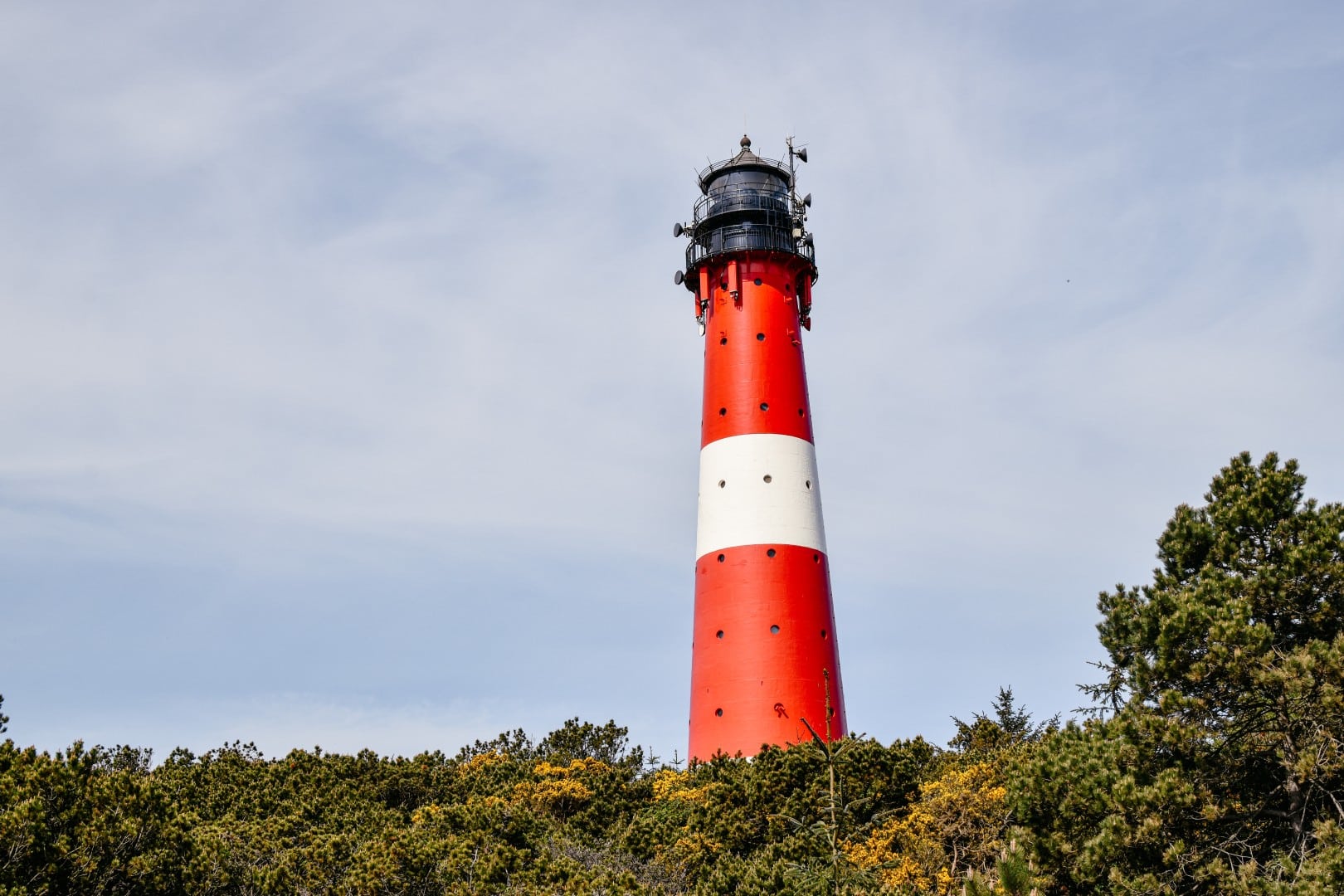
You can reach parts of Fire Island by road at both ends, though not across the island. On the western end, drive to Robert Moses State Park, park at Field 5, and walk roughly three-quarters of a mile to the lighthouse. On the eastern end, reach the Wilderness Visitor Center through Smith Point County Park.
These are access points, not a road across the island. You can’t drive from the lighthouse to Ocean Beach or on toward Cherry Grove; those communities still need the ferry.
Pick the Right Ferry Terminal
The key thing to know about getting to Fire Island: there is no single mainland ferry terminal for the whole barrier island. Your destination decides where the crossing begins, and the National Park Service breaks it down this way:
- Fire Island Ferries leaves from Bay Shore for western communities including Kismet, Saltaire, Fair Harbor, Atlantique, Dunewood, Ocean Beach, Seaview, and Ocean Bay Park.
- Sayville Ferry Service serves Cherry Grove, Fire Island Pines, Water Island, and Sailors Haven/Sunken Forest.
- Davis Park Ferry leaves from Patchogue for Davis Park and Watch Hill.
Crossing times vary by route: Fire Island Ferries puts the Bay Shore run at about 30 minutes; Davis Park Ferry lists roughly 20 minutes to Davis Park and 30 to Watch Hill.
Showing up in Bay Shore for Fire Island Pines won’t put you one dock over; it’s the wrong mainland gateway. If Sayville is your portal, the drive into Sayville needs to match the ferry timetable, especially with several people and weekend bags.
Why There’s No Single Ferry Timetable
The Fire Island ferry schedule isn’t one tidy timetable. Operators publish timetables by community, and times shift through the season.
Boats from the same terminal don’t run at the same frequency for all destinations, and departures from Bay Shore vary by community and day. Storms, tides, and ice can also disrupt service.
Check the return boat first, then pick the outbound one. Missing an afternoon ferry on a same-day visit might just mean extra beach time; missing one of the last boats of the day is far less charming.
For a Fire Island weekend, save the current timetable on your phone and check it again on departure day. Service thins out beyond the May-to-October period, so the summer boat you remember may not run later in the year.
Walking, Wagons, and Water Taxis
On Fire Island, distance works differently. The island stretches for miles, and two communities that look close on a map can be too far apart to walk between.
Walking covers shorter distances. Bicycles work in some communities, though bikes are prohibited on National Park Service boardwalks and pedestrian walks. For longer moves, Fire Island Water Taxi connects communities along the island.
Then there are the wagons: the hand-pulled carts around ferry docks exist because groceries, coolers, beach gear, and overnight bags still need to move once you leave the car behind.
Ferry operators also impose freight restrictions, so don’t treat a week’s worth of belongings as ordinary carry-on. Fire Island Ferries warns passengers about oversized wagons, coolers, and packing totes.
The Car Trip Ends Where the Island Trip Begins
Fire Island isn’t one destination with one parking lot. Choose the community first, find the ferry that serves it, and build everything else around that departure.
The time on the ticket is not the drop-off time. Sayville Ferry Service wants extra freight, like wagons and coolers, checked in 20 minutes ahead of the boat; Davis Park Ferry wants anyone with more than five freight items at the dock 30 minutes early. Building the drive to the Fire Island ferry docks around that cutoff, not the printed departure time, keeps the whole party at the terminal with time to spare.
For most visitors, the last mainland leg is getting people and belongings to the right ferry terminal in time for departure. Once the luggage is out and the ferry pulls away, the road part is finished. From the dock on, it’s boats, boardwalks, and wagons.
Categories
- New York Limousine Service (61)
- Long Island Limo Service (31)
- Things To Do In Long Island (15)
- Airport Limo Car Service (13)
- Travel Tips (12)
- Bronx Limo Service (8)
- Concert Transportation (8)
- Hampton Car Service New York (7)
- Corporate Transportation (6)
- Holidays (6)
- JFK Airport Transportation (5)
- New York Airport Transportation (4)
- Business Travel (3)
- Business Meetings (3)
- JFK Limo Service (2)
- Things To Do In Southampton (2)
- LGA Airport (1)